Featured
How Key Things You Must Ask Before Enrolling can Save You...
The Benefits and Cons When Considering Bankruptcy Can Be ...
7 Easy Facts About Building Your Custom Financial Recover...
Get This Report about The Benefits to Consider of Bankruptcy

Unknown Facts About The Advantages and Disadvantages When Considering Bankruptcy
Table of Contents
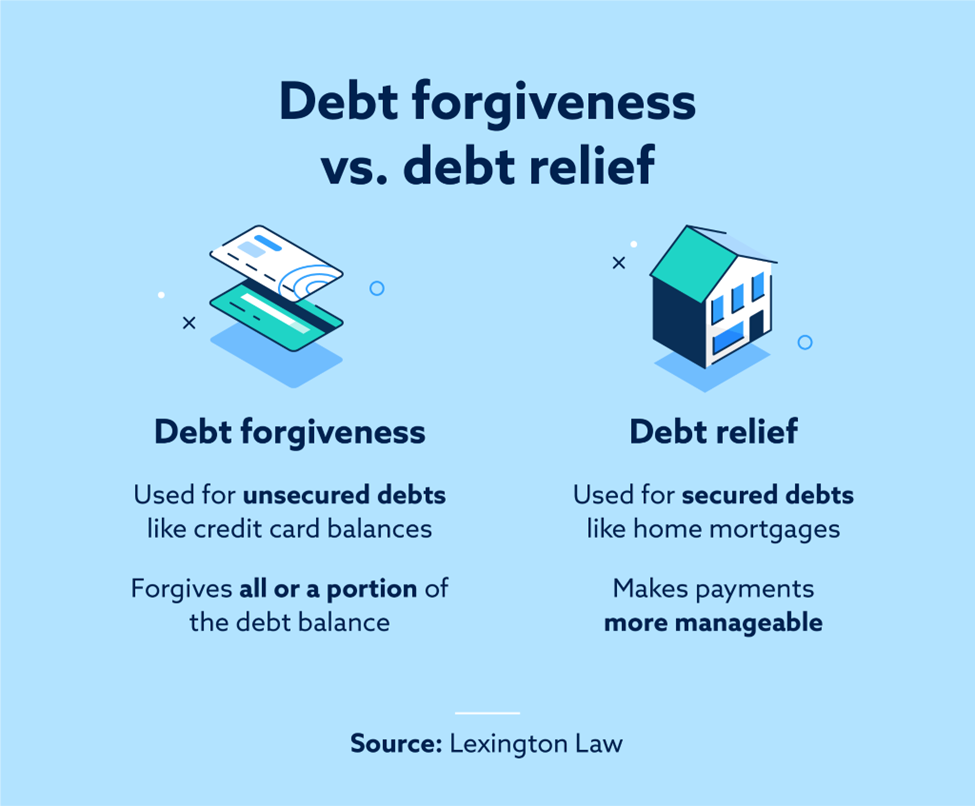
That frees up cash in the short-term, and you may have three to 4 years to conserve toward the settlement quantity. Very dangerous to credit history, primarily because of missed out on payments and an adverse "cleared up" mark that could stay on your credit rating report for up to seven yearsMay be only alternative if various other options (financial debt combination, equilibrium transfer bank card, financial debt mercy) aren't possibleTypically requires a cost to the 3rd celebration, which could counter some or every one of the savings from financial debt settlementMay aid you stay clear of personal bankruptcy if you've missed several paymentsNot all lenders collaborate with financial debt negotiation companies Financial debt mercy might be appropriate for you if you are experiencing a monetary difficulty that makes it virtually difficult to pay for your financial obligation balances.
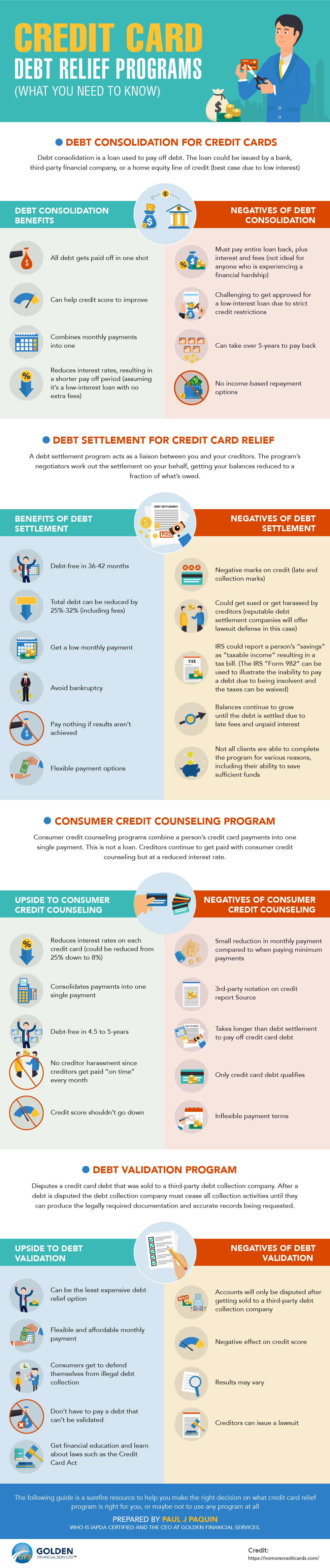
With a DMP, you make one regular monthly payment to the credit counseling firm. Those funds are after that dispersed to lenders of your unsecured debts, such as bank card and installment lendings. The firm deals with your financial institutions to lower rate of interest or forgo costs, however some financial institutions might reject such giving ins.
It can aid you pay down debt if you're able to safeguard a financing rate that's lower than the average rate of the accounts you're settling. You must refrain from racking up financial obligation on those newly cleared accounts or your financial obligation might grow also greater.
That gives you lots of time to get rid of or significantly decrease your equilibrium while making interest-free settlements.
Facts About Your Legal Protections According to State Law Revealed
You might require it if your financial institution or a collection agency ever before attempts to gather on the financial debt in the future. When a loan provider forgives $600 or even more, they are called for to send you Type 1099-C.
Financial obligation forgiveness or settlement generally harms your debt. Anytime you clear up a financial debt for less than you owe, it may look like "resolved" on your credit rating report and influence your credit history score for seven years from the date of negotiation. Your credit history can also go down significantly in the months bring about the forgiveness if you fall back on payments.
The Facts About Rebuilding Your Financial Standing the Strategic Way Revealed
This scenario usually results from underreporting income, not filing returns on time, or disparities discovered throughout an Internal revenue service audit. The effects of building up tax obligation financial debt are major and can consist of tax liens, which give the IRS a lawful case to your residential or commercial property as safety for the financial obligation.
Salaries and Bank Accounts Internal revenue service can impose (confiscate) wages and financial institution accounts to satisfy the debt. Residential property Seizure In severe cases, the Internal revenue service can take and market residential or commercial property to cover the financial obligation.
Depression, anxiety, and various other psychological health concerns. Social Stigma Encountering legal activity from the internal revenue service can carry social stigma. Damage to reputation and relationships. Work Opportunities A poor credit rating due to exhaust debt can limit job opportunity. Problem searching for or keeping a task. Federal government Benefits Tax financial obligation might impact qualification for federal government advantages, such as Social Safety and Medicaid.
The Developing Post-Bankruptcy Financial Plan That Lasts Ideas
The OIC considers a number of elements, including the taxpayer's income, expenses, property equity, and ability to pay. Successfully negotiating an OIC can be complicated, calling for a complete understanding of the IRS's standards and a strong debate for why your deal lines up with your capacity to pay. It is very important to keep in mind that not all applications are approved, and the process calls for detailed financial disclosure.
The internal revenue service evaluates your overall financial scenario, including your earnings, expenditures, asset equity, and capability to pay. You must also be current with all declaring and payment requirements and not be in an open personal bankruptcy case. The internal revenue service likewise considers your compliance background, evaluating whether you have a record of timely filing and paying tax obligations in previous years.
The Single Strategy To Use For Their Team Philosophy with Clients
The application process for a Deal in Compromise entails several in-depth actions. First, you must finish and submit IRS Form 656, the Offer in Concession application, and Type 433-A (OIC), a collection info statement for people. These types call for extensive financial info, consisting of information concerning your earnings, debts, expenditures, and properties.
Back tax obligations, which are unpaid tax obligations from previous years, can significantly enhance your overall IRS financial obligation if not addressed without delay. This financial debt can accumulate passion and late settlement fines, making the initial amount owed a lot larger in time. Failure to repay taxes can cause the internal revenue service taking enforcement actions, such as releasing a tax obligation lien or levy against your residential property.
It is necessary to address back tax obligations immediately, either by paying the full quantity owed or by setting up a repayment plan with the internal revenue service. By taking aggressive actions, you can avoid the buildup of extra passion and penalties, and protect against extra aggressive collection activities by the IRS.
One typical factor is the idea that the taxpayer can pay the sum total either as a lump sum or via a layaway plan. The internal revenue service additionally considers the taxpayer's revenue, costs, asset equity, and future earning potential. If these aspects indicate that the taxpayer can pay for to pay more than the provided amount, the internal revenue service is most likely to decline the offer.
An Unbiased View of Why Professional Guidance Makes a Difference
It is vital to provide accurate and complete info in your application and to speak with a tax professional to boost the opportunities of acceptance. Handling IRS debt can be complicated and complicated. Tax obligation professionals, such as Certified public accountants, tax obligation lawyers, or signed up representatives, can provide invaluable support. They have the know-how to browse the ins and outs of tax legislation and IRS treatments.

Table of Contents
Latest Posts

How Key Things You Must Ask Before Enrolling can Save You Time, Stress, and Money.

The Benefits and Cons When Considering Bankruptcy Can Be Fun For Anyone
7 Easy Facts About Building Your Custom Financial Recovery Plan Explained
More
Latest Posts
How Key Things You Must Ask Before Enrolling can Save You Time, Stress, and Money.
The Benefits and Cons When Considering Bankruptcy Can Be Fun For Anyone
7 Easy Facts About Building Your Custom Financial Recovery Plan Explained